Blockchain Basics
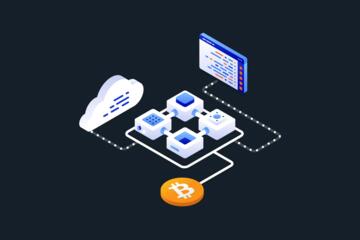
Blockchain is a type of database, but it stores information differently than traditional systems. Instead of keeping data in a central place, blockchain distributes it across many computers, making it decentralized. Imagine a spreadsheet duplicated thousands of times across a global network of computers. Bitcoin's blockchain, for instance, processes roughly 300,000 transactions daily, each recorded as a block linked to the previous one.
Each block contains data, a timestamp, and a unique code called a cryptographic hash. Changing any detail in a block alters its hash drastically, convincing the network of tampering. This setup creates a chain of blocks—hence "blockchain." It is immutable; once recorded, data is extremely difficult to change without network consensus.
This database design supports trust without relying on a centralized authority, like a bank or government. It can apply beyond cryptocurrencies: supply chains, voting systems, even healthcare records use blockchain to protect data integrity.
Common Misunderstandings
Many think blockchain equals Bitcoin—but it’s just one popular application. Blockchain is not synonymous with cryptocurrency but rather a framework for secure data storage and sharing — the coins and tokens people trade are assets built on top of it, and even a coin and a token are not the same thing. Another misconception lies in complexity; the underlying math is complex, but the concept—recording transactions securely—is not.
People often expect instant transactions on blockchains, ignoring network constraints. For example, Ethereum manages about 15 transactions per second, much slower than Visa’s 1,700. This delay frustrates users accustomed to speed.
Ignoring blockchain’s energy consumption also skews perception. Bitcoin mining alone consumes roughly 100 terawatt-hours yearly—close to the energy usage of countries like Argentina. These factors affect adoption and public opinion.
Steps to Use Blockchain
Choose the Right Blockchain
Select a blockchain based on needs: public (Bitcoin, Ethereum) for transparency, private (Hyperledger Fabric) for controlled access. Ethereum remains a top choice with over 4,000 active DApps (June 2023), offering versatility.
Create Smart Contracts
Smart contracts automate agreements without intermediaries. Ethereum’s Solidity language is widely used, powering contracts that execute automatically when conditions meet. In practice, they reduce manual errors and speed up processes.
Use Wallets for Transactions
Wallets store digital keys, enabling secure blockchain interactions. MetaMask, with over 21 million users, offers a user-friendly experience. Wallet choice affects security and ease of access.
Explore Layer 2 Solutions
To bypass slow speeds and high fees, Layer 2 options like Polygon or Arbitrum bundle transactions off the main chain. Polygon processes up to 7,000 TPS vs. Ethereum’s 15, balancing scalability and security.
Implement Consensus Mechanisms
Consensus ensures network agreement. Proof of Work (PoW) requires solving hard puzzles; Proof of Stake (PoS) assigns validation power by stake size. PoS reduces energy use drastically, as seen with Ethereum 2.0 post-2022 upgrade.
Maintain Transparency with Open Ledgers
Many blockchains offer public ledgers to audit data anytime. This helps businesses and regulators verify transactions. For instance, Walmart uses blockchain to trace food quickly, reducing contamination risks by 80% in tests.
Secure Data with Encryption
Encryption protects privacy in blockchain, especially for sensitive info. Projects like Zcash use zero-knowledge proofs to shield transaction details without sacrificing trustworthiness or access.
Monitor Network Health
Tools like Etherscan track blockchain activity, helping developers and users check transaction status or confirm block validity. These analytics support debugging and optimization.
Understand Regulatory Impact
Legal frameworks vary by country. Complying with regulations (e.g., GDPR in Europe) requires adapting blockchain use, particularly regarding data retention and user consent.
Real Blockchain Cases
De Beers, the diamond giant, faced counterfeit risks. They deployed a blockchain to trace diamonds from mine to retail, verifying authenticity. Result: a 20% boost in customer trust and faster fraud detection within six months.
Another instance: supply chain delays plagued Maersk. Partnering with IBM, they launched TradeLens, a blockchain platform enabling real-time container tracking. Maersk reported cutting paperwork processing time by 40%, saving millions annually.
Blockchain At a Glance
| Feature | Public | Private | Consortium |
|---|---|---|---|
| Access | Anyone | Restricted | Group-based |
| Consensus | PoW/PoS | Voting-based | Pre-approved |
| Transparency | High | Low | Medium |
| Scalability | Limited | Higher | Better |
Avoid These Errors
Skipping the basics of cryptography causes weak security; only a handful of people understand key management fully. That leads to many hacks and loss of funds. Always use tested libraries.
Overestimating blockchain’s speed and ignoring costs wastes resources. Ethereum gas fees can spike above $50 for complex transactions; knowing this upfront helps design better systems.
Neglecting user experience makes adoption difficult. Wallet interfaces often confuse users, which, frankly, most people skip or abandon early. Developers should focus on clear, concise UI.
Falling behind on regulation risks legal troubles. Firms need dedicated compliance roles to keep track of evolving laws around blockchain data.
FAQ
What makes blockchain secure?
Blockchain combines cryptography, decentralized consensus, and immutability. The cryptographic hashes link blocks; network nodes verify transactions independently, making data tampering evident.
Can blockchain work without cryptocurrency?
Yes. Blockchains save records or contracts securely without requiring tokens, especially private or consortium versions used in industries like logistics.
Is blockchain energy-heavy?
Depends on consensus type. Proof of Work consumes high energy, whereas Proof of Stake and other algorithms drastically lower consumption.
How fast is blockchain?
Varies widely. Bitcoin processes about 7 TPS. Ethereum averages 15 TPS, but Layer 2 solutions can reach thousands per second.
How to start using blockchain?
Begin by understanding your needs, then choose a platform, learn smart contracts, set up a wallet, and explore development tools like Truffle or Hardhat.
Author's Insight
I’ve spent several years testing blockchain projects, often hitting the same frustrations: scalability issues and unclear UX. Hands-on work revealed that choosing the right consensus model alone can save months of development. I advise focusing on practical trade-offs—speed versus decentralization—and accepting that no blockchain fits all. Trust but verify aligns well: test in small scopes before wider rollout.
Summary
Blockchain stores data by linking secured blocks across nodes. Understanding difference between types, consensus mechanisms, and scalability limits shapes smart use. Avoid technical shortcuts and regulation gaps. Begin with public, popular frameworks like Ethereum, try Layer 2 if needed, and use thorough monitoring tools. Proper planning cuts risks and fosters clearer, safer blockchain adoption.