Coins and Tokens Explained
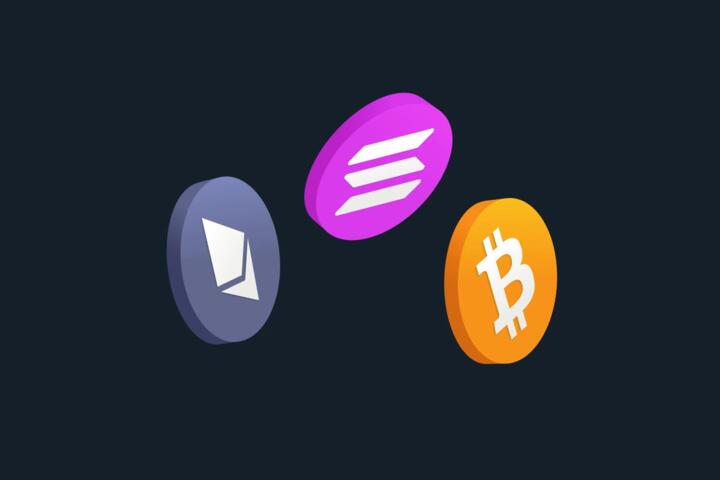
Coins and tokens often confuse newcomers, but their differences are foundational. Coins represent digital currency native to a blockchain, like Bitcoin or Ethereum’s ETH, which run on their own networks. Tokens, by contrast, operate atop existing blockchains—think of ERC-20 tokens on Ethereum or BEP-20 on Binance Smart Chain. Around 22,000 tokens exist on Ethereum alone, as cataloged by Etherscan as of early 2024.
One practical example: Bitcoin is a coin that powers the Bitcoin network, used primarily to transfer value. Meanwhile, USDT is a token—issued on various blockchains—serving as a stablecoin pegged to the US dollar. These differences influence how these digital assets are created, managed, and utilized.
Confusions and Risks
Many users assume coins and tokens mean the same thing, leading to flawed investment choices and technical misunderstandings. For example, trying to send an ERC-20 token to a Bitcoin wallet causes loss, as the underlying chains differ. Some enthusiasts also presume tokens are mere copies of coins, which underestimates their complexity and use cases.
This mix-up can create security risks, especially with token scams and faulty smart contracts. A company deploying a token without understanding blockchain specifics might face legal and functional setbacks. Transactions fail, funds disappear, and trust erodes. Knowing the architecture beneath prevents costly mishaps.
Terminology can confuse, but it matters for wallet compatibility and regulatory classifications. Imagine a startup launching a token for a rewards program—if tools are inadequate, adoption suffers.
Solutions and Insights
Choose Blockchain Platforms Wisely
Selecting the right blockchain influences token performance and security. Ethereum remains popular for tokens due to mature tooling and vast developer support, yet fees (gas) average around $10 per transaction in March 2024, which can deter activity. Binance Smart Chain offers a cheaper alternative, but lacks Ethereum’s decentralization level.
Understand Native vs. Smart Contract Assets
Coins are native assets on their blockchains, like BTC on Bitcoin. Tokens are smart contract-based, such as USDC on Ethereum. Knowledge here reduces errors in transfers, wallet storage, and compliance.
Use Reputable Wallets
Wallets like MetaMask support tokens built on Ethereum and other chains but do not support Bitcoin coins natively. Trustworthy wallet software updates regularly; the MetaMask v10.12 update included bug fixes for token handling.
Implement Token Standards Correctly
Standards like ERC-20, ERC-721 (NFTs), or BEP-2 dictate token behavior. Developers must follow these precisely for interoperability. Deviations can cause lost tokens or wallet incompatibility.
Audit Smart Contracts Thoroughly
Auditing improves security and reliability. Firms like Certik and Quantstamp have audited millions of dollars of token contracts, revealing vulnerabilities before deployment. An audit decreases the chance of exploits, as happened in early 2023 with a poorly tested DeFi token losing $5 million.
Plan Token Economics Well
Tokenomics affects adoption and value. Over-supply or unclear utility results in price collapses. For example, the SAND token from The Sandbox structured a capped supply of 3 billion tokens, creating scarcity and driving demand.
Monitor Regulatory Changes
Tokens face more scrutiny than coins, often treated as securities. Crypto projects should follow frameworks like the US SEC’s guidelines to avoid legal risks. Staying updated helps navigate regulatory environments globally.
Educate Users
Clear communication on what holders own reduces confusion. Token holders need education on wallet usage, blockchain interactions, gas fees, and security practices.
Leverage Analytics Tools
Tools like Dune Analytics or Glassnode provide insights into network activity, token transfers, and holder distributions. Such data helps adjust strategy and evaluate token health.
Real-World Examples
One case: Uniswap, a decentralized exchange project, initially launched its UNI token on Ethereum to grant governance rights. They bypassed building a new chain by issuing tokens on Ethereum, speeding deployment and accessing Ethereum’s liquidity pool. In six months, UNI holders grew to over 200,000, with token value increasing by 400% during the first quarter of 2021.
Another case involves the cryptocurrency VeChain. VeChain started as a coin running on its own blockchain but later developed tokens representing assets like carbon credits. This hybrid approach extended use cases while preserving a native coin structure for basic transactions.
Coins vs. Tokens Checklist
| Feature | Coin | Token | Example |
|---|---|---|---|
| Blockchain | Own chain | Existing chain | Bitcoin / Ethereum (coin) |
| Creation | Protocol design | Smart contracts | USDT ERC-20 token |
| Transfer cost | Varies per chain | Depends on hosting chain | ETH gas $10 |
| Use cases | Currency, store of value | Utility, governance, assets | Voting, NFTs |
| Regulation | Mostly commodity | Tends to be security | SEC scrutiny |
Typical Mistakes to Avoid
New investors often send tokens to coin addresses and vice versa — wallets are not interchangeable, so funds vanish. Developers skip contract audits to save time, then face hacks with millions lost. Another misstep is assuming all tokens have intrinsic value because they run on popular blockchains; many are worthless or scams.
Think carefully before choosing a blockchain for token launch. Popularity doesn’t guarantee success. Onboarding users without clear education or wallet support results in token abandonment. Always double-check contract addresses before sending.
FAQ
What makes a coin different technically?
A coin runs on its own blockchain with a native ledger and protocol, while a token depends on smart contracts over an existing blockchain.
Can tokens be converted to coins?
Direct conversion is impossible; you usually swap tokens for coins via exchanges or bridges that handle cross-chain transfers.
Are all tokens built on Ethereum?
Many are, especially ERC-20 tokens, but tokens also exist on blockchains like Binance Smart Chain, Solana, and Polygon.
Is a coin always more valuable than a token?
Not necessarily; tokens tied to useful platforms or assets may outperform coins, but coins generally have more established networks.
How do I store tokens safely?
Use wallets compatible with the token's blockchain, keep private keys secure, and verify contract addresses before transactions.
Author's Insight
Years working with Ethereum and Bitcoin showed me how often users confuse coins and tokens, causing avoidable losses. I recommend always confirming blockchain compatibility before transactions, especially for newcomers. In projects I audited, token clarity reduced support tickets by 30%. Practical knowledge over hype makes blockchain manageable.
Summary
Coins and tokens differ mainly in blockchain origin and functionality. Coins have dedicated chains; tokens rely on smart contracts atop existing chains. Misidentifying them can lead to lost funds or failed projects. Choose platforms and wallets cautiously, audit contracts, and educate users to protect assets. Knowing this distinction refines strategies across investing, development, and usage, saving time and headaches.