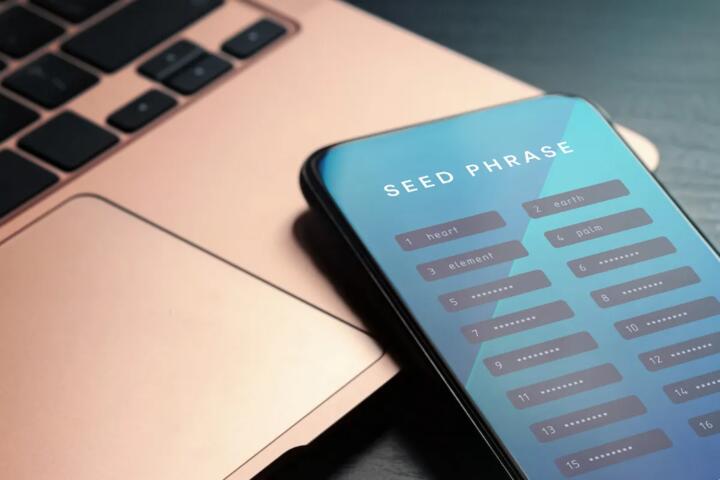
Understanding Seed Phrases
A seed phrase is a sequence of typically 12 to 24 words generated by a cryptocurrency wallet. These words act like a master key, restoring full access to digital assets stored within the wallet. For example, imagine you create a wallet on MetaMask or Ledger in 2023 and are given a 12-word phrase—this phrase is the only way to regenerate your private keys if your device fails.
The total number of different possible 12-word seed phrases is around 2^128 variations, making them extremely secure as long as they remain secret. According to Chainalysis, there were over 80 million crypto wallet users worldwide by 2022, so millions rely on these phrases daily.
Without this phrase, your crypto is unavailable. Think about it: if you lose your laptop or phone that holds the wallet app and don’t have the seed phrase backed up, you lose control.
Access depends on this phrase alone.
Common Risks And Pitfalls
Many underestimate how vulnerable seed phrases are once generated. The phrase is usually presented only once during wallet setup, then forgotten or stored insecurely. A surprising number of users, as reported by reports like from Wyre in 2021, fail to write their phrases down correctly or store them digitally in unsecured documents.
People often confuse wallets with exchange accounts. Custodial wallets held by companies like Coinbase allow password resets. In contrast, non-custodial wallets—such as Trust Wallet or hardware wallets like Trezor—depend entirely on the seed phrase.
If the phrase is misplaced, stolen, or destroyed, the wallet becomes permanently inaccessible. Unlike traditional banks, no one can reset or recover it on your behalf.
Many face consequences like losing thousands or even millions of dollars when devices break or are lost, and the seed phrase wasn’t preserved correctly.
Practical Steps To Protect It
Write It Down Physically
Store your seed phrase on paper, not digitally. Paper can’t be hacked remotely. Write carefully to avoid transcription errors. Use a pen that won’t fade fast; many prefer archival pens designed for longevity.
Use Metal Backup Plates
Consider a metal seed phrase holder, such as Cryptosteel or Billfodl models. These resist fire, water, and physical damage better than paper. They cost around $50-$150 but protect phrases against natural risks. It’s a durable, offline solution.
Keep Multiple Copies
Store copies in different secure physical locations. Place one at home and another in a safety deposit box. This redundancy prevents single points of failure, as forgetting or losing all copies means permanent loss.
Avoid Digital Storage
Do not save the phrase in text files, emails, photos, or cloud drives. Digital copies attract hackers through phishing or malware. Password managers are no exception, especially those lacking strong encryption.
Test Your Recovery Process
Create a new wallet using the backed-up phrase to verify accuracy before funding it. This practical verification can save you from discovering errors too late. This step is rarely done, and wallets with incorrect backups have ended up worthless.
Exercise Caution With Sharing
Never share your seed phrase with anyone. Even trusted family or friends. Social engineering attacks exploit these trusting behaviors. Some wallets, like Ledger Live from version 2.1.3, warn against entering phrases into online forms—this advice you must follow.
Use Passphrase Features
Many wallets support an optional passphrase beyond the seed phrase that adds a second layer of security. Without the passphrase, the seed phrase alone won’t access funds in the ‘hidden’ wallet. This is a partial safeguard but not a substitute for backup.
Consider Multi-sig Solutions
For larger holdings, using a multisignature setup spreads control across multiple keys. Losing one phrase won’t lose all access. Services like Casa or Unchained Capital offer these options, though they complicate usage.
Real-World Examples
In 2021, a user colloquially known as ""CryptoLost"" shared how a hardware wallet failure wiped his funds because he hadn’t backed up his phrase. The loss was roughly $15,000 in Ethereum. He recovered none since the seed phrase was missing.
Another example: a startup in 2022 stored seed phrases in encrypted Google Docs. An employee accidentally deleted the documents and permanent access was lost for all wallets on the company ledger—an incident costing six figures.
Backup Options Compared
| Method | Security | Durability | Ease of Use |
|---|---|---|---|
| Paper | Moderate (offline) | Low (fire, water risk) | High |
| Metal Plate | High (offline, fireproof) | Very High | Moderate |
| Digital File | Low (hack risk) | Moderate | High |
| Multi-Signature | Very High | Very High | Low |
Missteps People Often Make
One big mistake: trusting online backups like Google Drive or Dropbox without additional encryption. These cloud services, despite their reputation, have been targets for mass data breaches.
Another is writing the phrase incompletely—missing words, wrong order—rendering the backup useless but the user unaware until recovery time.
Some users also brag about their seed phrase online or share screenshots because they misunderstand privacy, inviting theft.
Finally, many skip testing their backup by restoring a wallet from the seed phrase — a trial run that reveals errors with immediate fix potential.
Ignore these common traps.
FAQ
What exactly does a seed phrase do?
It acts as a master key to reconstruct your wallet’s private keys, enabling access to your cryptocurrencies.
Can I recover a wallet without the seed phrase?
No. For non-custodial wallets, losing the seed phrase means permanent loss of access without recovery options.
Is it safe to store my seed phrase digitally?
Not recommended. Digital storage increases risk of theft via hacking, keyloggers, or phishing attacks.
How many words does a typical seed phrase have?
Most consist of 12 or 24 words generated following the BIP39 standard used by many wallets.
What if someone else gets my seed phrase?
They can steal your funds immediately. Treat it as the most sensitive information in your digital life.
Author's Insight
From my six years working directly with crypto security, I have seen countless losses by people ignoring seed phrase management. Their stories serve as warnings. Physical backups are non-negotiable, though the method varies by lifestyle. Sometimes I advise clients to treat their seed phrase like cold cash—never online, always offline. Testing recovery is a step fewer than 30% perform, sadly. Once, I helped a client recover tens of thousands lost to a device failure just because they’d written their phrase on a metal plate—they probably saved their portfolio.
Key Takeaways
Losing your seed phrase locks you out of your crypto wallet permanently. The phrase alone grants universal access to your holdings. Protecting it demands offline physical backups, thoughtful storage in multiple places, and careful testing of recovery procedures. Avoid digital copies and sharing your phrase in any form. Following these practices saves many from irreversible losses and keeps your digital assets within your control.