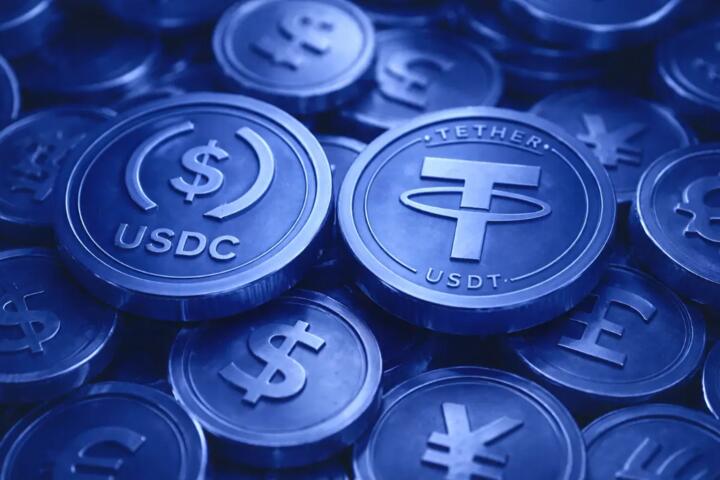
How Stablecoins Work
Stablecoins are digital tokens designed to hold a consistent value, commonly $1 USD. For example, USDC issued by Circle and Coinbase, maintains its peg through collateral reserves verified regularly. In 2023, USDC held over $45 billion in collateral supporting its coins in circulation, which helps stabilize its price.
They differ from cryptocurrencies like Bitcoin because they avoid wild swings in value, making them suitable for daily payments or as stores of value. But maintaining this stability requires smart mechanisms behind the scenes.
Some stablecoins use fiat reserves, others rely on crypto assets or algorithms to balance supply and demand dynamically. The target remains the same: keep trading close to a fixed price despite market pressures.
Common Stability Challenges
People often assume stablecoins are flawless or always fully backed. That’s not true.
Some rely heavily on trust in centralized entities holding fiat. If reserves are mismanaged or audited irregularly, confidence falters. During the 2022 TerraUSD (UST) crash, over $40 billion evaporated in days when the algorithmic model failed to maintain the peg, sparking major market turmoil.
Another misconception involves ignoring transaction volume impact. Higher trading can cause slippage, destabilizing price unless the coin adjusts liquidity fast enough. Even reputable stablecoins like Tether have faced scrutiny over whether reserves truly match tokens issued, affecting market trust.
The fallout can hit users directly: losing funds, facing liquidity shortages, or risking sudden value drops. Stablecoins that lose their peg shrink their utility rapidly, defeating their main purpose.
How Stability Is Achieved
Fiat-Collateralized Reserves
This method uses USD or other fiat money held in bank accounts equal to the coins issued. Investors can redeem tokens 1:1 for fiat. Circle’s USDC follows this strictly with monthly attestations by Grant Thornton, improving transparency. This backing creates strong confidence, reflected in a market cap that exceeded $55 billion by early 2024.
Crypto-Collateralized Models
Here, cryptocurrencies back stablecoins but over-collateralization is mandatory to absorb price dips. MakerDAO’s DAI uses Ethereum as collateral but requires at least 150% collateral value. When ETH price plunges, users can face liquidation, but the system maintains solvency overall.
This system avoids relying on centralized banks and fosters decentralization, but the volatility of crypto assets makes it tricky to use on a large scale.
Algorithmic Supply Adjustment
Algorithmic stablecoins automatically expand or contract supply based on price deviation. Ampleforth’s model from early 2023 adjusts token balances daily across wallets to maintain value. Yet, this method generally struggles during extreme market stress, often failing to keep the peg, as seen with TerraUSD’s collapse.
Liquidity Pools and Market Making
Decentralized finance (DeFi) platforms use liquidity pools, where pairs of stablecoins and volatile assets help arbitrageurs keep prices aligned. Curve Finance dominates this niche, managing over $10 billion in liquidity. The automated market makers incentivize trades that restore balance, reducing slippage to fractions of a percent.
Regular Auditing and Transparency
Stablecoins backed by collateral must publish reserve audits and attestations. This transparency attracts users and regulators alike. For instance, Paxos mandates quarterly audits verified by Withum, reassuring institutional investors about reserves exceeding 100% coverage.
Redemption Mechanisms
Instant token redemption for fiat fuels stability by enabling users to exit at the fixed peg. Binance USD (BUSD) offers this and operates under NYDFS oversight. Swift redemption deters arbitrage gaps and price fluctuations.
Legal and Regulatory Compliance
Stablecoins that comply with regional regulations avoid sudden shutdowns or warnings that can trigger panic selling. USDC and BUSD’s adherence to US regulations contrasts with smaller coins lacking such frameworks, which often suffer instability and lost value.
Collateral Diversification
Some projects diversify collateral types — a mix of fiat and crypto minimizes risk. Gemini Dollar (GUSD) and others hold diversified assets including US Treasuries, which, according to Gemini’s 2023 report, raises resilience against particular asset shocks.
Risk Management through Oracles
Price feeds via decentralized oracles like Chainlink supply real-time market data. These inputs trigger automatic supply adjustments or liquidation events, keeping the system responsive to fast market changes.
Real Stablecoin Examples
Circle’s USDC faced a sharp market panic in March 2023 during banking sector stress. The company quickly released detailed reserve reports showing $45 billion in cash equivalents, restoring confidence within 72 hours and keeping the peg intact.
Conversely, TerraUSD’s failure exemplified the dangers of purely algorithmic approaches. Losing its peg during a market crash wiped out about $40 billion. Users caught off guard faced instant devaluation with nearly total loss of stablecoin value in under a week.
Comparison of Key Models
| Type | Backing | Pros | Cons |
|---|---|---|---|
| Fiat-Collateral | USD Reserves | Stable, Transparent | Centralized, Banking Risk |
| Crypto-Collateral | Crypto Asset | Decentralized, Secure | Volatile Collateral |
| Algorithmic | Supply Control | No Collateral Needed | Unstable Under Stress |
| Liquidity Pools | DeFi Tokens | Market Driven | Dependent On Arbitrage |
Frequent Errors in Usage
Assuming all stablecoins are the same degrades decision quality. Each type carries different risks. Users trusting algorithmic coins for large sums without diversification suffer more losses.
Neglecting to check audit status leads to exposure to fraudulent projects. I’ve seen clients jump into Tether during its 2021 scrutiny phase without proper risk checks, losing confidence rapidly.
Expecting perfect stability free from outside shocks ignores how market sentiment or bank runs can impact collateral-based coins. Exit liquidity may dry up, causing delays or price dips—delays that annoy users and cause panic.
Failing to use redemption as a safety valve reduces the peg's functioning. Not every token platform supports smooth fiat withdrawal, a flaw sometimes overlooked by developers and users alike.
Thinking active governance oracles work as designed under all conditions also misleads. Practical issues like oracle failures can cause delayed or erroneous price signals, widening peg deviation.
FAQ
What makes stablecoins stable?
Collateral backing, supply adjustments, and market mechanisms all work together to keep stablecoins near their target price.
Are all stablecoins audited?
No. Many do provide regular audits or attestations, but some lack transparency, which can increase risk.
Can algorithmic stablecoins fail?
Yes. Without sufficient collateral, algorithmic models can lose their peg during high volatility or market stress.
How fast can I redeem stablecoins for fiat?
Redemption times vary by issuer, ranging from near-instant to several days, depending on compliance and banking systems.
Do regulations affect stablecoin stability?
Absolutely. Compliant stablecoins tend to be more stable due to legal oversight and reserve requirements.
Author's Insight
In my years working with stablecoin projects, I’ve seen how transparent reserve management builds user trust far better than marketing hype. Avoid projects that skip regular audits; it’s a red flag. Also, mixing collateral types adds resilience, but no system is foolproof. I recommend monitoring market signals closely and using stablecoins mainly for short-term needs rather than long-term holding, given lingering uncertainties.
What to Remember
Stablecoins keep steady value by combining collateral, market dynamics, and governance. The strongest coins use transparent, audited reserves and clear redemption options. Users must study peg mechanisms and beware common pitfalls like overreliance on untested algorithmic models. In practice, stablecoins backed by fiat with regular attestations offer the best track record for stability right now.