L1 vs L2 Understanding
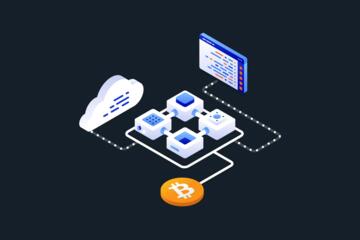
In blockchain technology, Layer 1 and Layer 2 solutions are frequently mentioned but often misinterpreted. Layer 1 refers to the base blockchain network, such as Bitcoin and Ethereum, handling all transactions natively. Layer 2, on the other hand, operates atop Layer 1 to enhance scalability and efficiency without altering the core protocol. Real-world examples include Ethereum’s mainnet (Layer 1) and optimistic rollups like Optimism (Layer 2), designed to alleviate congestion. For instance, Ethereum’s Layer 1 can process roughly 15 transactions per second (TPS), while Layer 2 solutions can boost throughput into thousands of TPS, as evidenced by Arbitrum handling over 40,000 TPS in peak tests.
Layer 2 Problems
Scalability Bottlenecks
Layer 1 blockchains struggle with scalability; as demand grows, networks slow, and fees explode. Ethereum’s gas fees soared past $100 during DeFi summer 2020, pricing out many users.
High Transaction Costs
Users experience exorbitant fees on congested networks, complicating everyday transactions and micro-payments.
Limited Throughput
High throughput is essential for DApps and NFT platforms. Insufficient capacity causes delayed confirmations and poor UX, undermining adoption.
Centralization Risks in Layer 2
Some Layer 2 designs introduce semi-trust models or require active validators, raising concerns about decentralization trade-offs.
Real Consequences
Projects unable to scale risk losing users to more performant chains or Layer 2 solutions, impacting token value and developer attention.
Solutions & Tips
Choose the Right Layer 1 Blockchain
Layer 1 with better native scalability, like Solana handling up to 65,000 TPS and lower fees, may reduce immediate Layer 2 dependence. However, trade-offs include compromises in decentralization.
Adopt Layer 2 Rollups and Sidechains
Optimistic rollups (e.g., Optimism, Arbitrum) batch transactions off-chain while submitting proofs to Layer 1. This lowers costs and increases speed. Sidechains like Polygon offer secure but separate environments with their consensus, attaining thousands of TPS.
Implement State Channels
For applications requiring instant finality, state channels (e.g., Lightning Network for Bitcoin) enable multiple transactions off-chain, settling on Layer 1 only later, reducing on-chain load.
Utilize Composable Ecosystems
Integrating DApps on Layer 2 with established DeFi and NFT protocols (e.g., Uniswap on Arbitrum) ensures liquidity and usability without Layer 1 bottlenecks. Cheaper Layer 2 rails are a big part of why decentralized finance can now replace bank services at everyday scale.
Monitor Real-world Metrics
Track average gas fees, TPS, and finality times using tools like Etherscan, Dune Analytics, and blockchain explorers to optimize deployment.
Case Studies
Uniswap’s Migration to Optimism
Company: Uniswap Labs
Problem: Ethereum mainnet congestion causing high user fees.
Solution: Deployment of Uniswap V3 on Optimism Layer 2.
Result: Transaction fees reduced from upwards of $30 to a fraction of a dollar; trade throughput increased 10x, enabling millions of additional transactions monthly without network delays.
Polygon’s Growth as Layer 2 Sidechain
Company: Polygon Technology
Problem: Ethereum’s limitations hindered NFT and gaming projects.
Solution: Polygon developed a layer 2 sidechain leveraging PoS and plasma to facilitate scalable dApps.
Result: Polygon hosts over 7,000 dApps with daily active users exceeding 1 million, transaction fees close to $0.001, and reliable finality under 2 seconds—far outperforming native Ethereum mainnet metrics.
L1 vs L2 Comparison
| Feature | Layer 1 (Base) | Layer 2 (Scaling) |
|---|---|---|
| Throughput | Low (~15 TPS) | High (40,000+ TPS) |
| Avg. Cost | High ($10 - $100+) | Ultra-low (<$0.01) |
| Security | Full Decentralization | Inherited / Partial |
| Finality | Slow (~13 sec) | Near Instant |
Common Mistakes
Ignoring Layer 2 Integration
Many projects delay adopting Layer 2, losing competitive advantage. Start with Layer 2 trials early.
Overlooking Security Trade-offs
Not all Layer 2 solutions offer full Layer 1 security; audit the risks and plan contingency measures.
Neglecting User Experience
Complicated user onboarding to Layer 2 can deter users. Employ smooth wallet integrations (e.g., MetaMask’s Layer 2 support).
Failing to Monitor Network Performance
Constantly track network metrics. Use analytics to adjust deployment dynamically.
Underestimating Cost Savings
Quantify Layer 2 benefits through real user fee savings and operational costs.
FAQ
What distinguishes Layer 1 from Layer 2?
Layer 1 is the base blockchain network handling all transactions natively; Layer 2 solutions operate on top to scale transactions and reduce costs.
Are Layer 2 solutions secure?
Layer 2 inherits security from Layer 1 but varies by method; optimistic rollups rely on fraud proofs, while sidechains have independent consensus.
Which industries benefit most from Layer 2 adoption?
DeFi, NFTs, gaming, and micro-payment platforms benefit greatly due to increased throughput and lower fees.
Can Layer 2 reduce transaction fees significantly?
Yes, Layer 2 solutions like Optimism and Polygon reduce fees from tens of dollars to mere cents or fractions thereof.
Do I need special wallets for Layer 2?
Most popular wallets support Layer 2 networks, but users may need to switch networks internally or use Layer 2 specific providers.
Author's Insight
From my experience launching several blockchain projects, the difference between Layer 1 and Layer 2 can make or break scalability and user retention. While Layer 1 networks provide the indispensable security foundation, Layer 2 solutions are the practical instruments for real-world usability and cost-efficiency. In particular, the growth trajectory of platforms like Polygon and Optimism shows that combining a robust base layer with efficient second layers yields the optimal balance. My advice: don't wait for Layer 1 perfection—instead, iterate rapidly by leveraging Layer 2 infrastructures and monitor metrics closely to maximize user satisfaction and project value.
Summary
Layer 1 and Layer 2 each serve vital roles in blockchain ecosystems, but the bulk of real value accrues from embracing Layer 2 scalability solutions that significantly enhance throughput and reduce costs. Developers and investors must prioritize integrating Layer 2 protocols to stay competitive and sustainable. Practical steps include choosing suitable Layer 1 candidates, adopting rollups or sidechains, and continuously measuring network performance. Doing so balances the best of decentralization and usability, ultimately driving wider adoption and network value growth.