Starting with Cryptocurrency
Buying cryptocurrency involves more than clicking ""buy"" on an app. It requires understanding digital wallets, transaction fees, and network protocols. For example, Bitcoin's first block was mined in 2009, paving the way for over 20,000 cryptocurrencies by 2024. The market value hit roughly $1.5 trillion in early 2024, showing massive interest but also volatility.
Suppose you open a Coinbase account or Binance wallet on your smartphone; these platforms often have noticeable differences in fees and coin availability. That matters once you trade, affecting your returns directly. You start by choosing an asset, but the infrastructure matters just as much — wallets, exchanges, and security all shape outcomes.
Short learning curve. Start here.
Common Errors and Risks
Many beginners overlook wallet security, which results in hacking losses or irreversible errors. People often think the exchange protects funds automatically, but that’s false. Also, some buyers rush into high-growth coins without analysis. Crypto prices fluctuate; a 10% drop can happen within hours.
For example, in 2021, inexperienced buyers poured money into meme coins without researching project legitimacy. The sudden 90% crash wiped out billions in less than a week. Such results became warnings. Avoiding scams requires sharper attention to project history and developer transparency.
Ignoring fees leads to unexpected costs too. If you buy Ethereum through a decentralized exchange in 2023, gas fees might reach $30 or more per transfer—often skipped in tutorials. Over time, these costs eat trading profits. Poor timing combined with fee ignorance poisons potential gains.
Key Steps and Controls
Choose Reputable Exchanges
Start with exchanges known for compliance and security. Coinbase, Kraken, and Gemini meet US regulatory standards, while Binance offers broad coin variety but some regulatory scrutiny. Stick with firms audited regularly. Check fee schedules: Coinbase charges about 1.49% per transaction, Kraken is closer to 0.9%, impacting your cost basis.
Use Cold Wallets for Storage
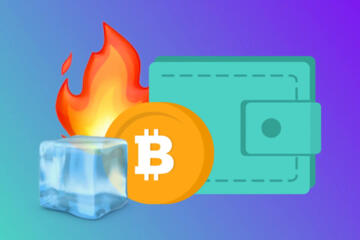
Cold wallets like Ledger Nano or Trezor keep coins offline, reducing hacking risk. Hot wallets on phones or web browsers are convenient but vulnerable. For instance, my Ledger Nano S (firmware version 2.1.0) saved my assets during a ransomware attack—wallet wasn’t even connected.
Understand Network Fees
Every blockchain transaction costs fees—Ethereum gas and Bitcoin mining fees are examples. Rates fluctuate; during high traffic, Ethereum fees exceeded $50 in 2021, making small trades uneconomical. Check live fee trackers (etherscan.io) before moves.
Start with Small Investments
Allocating 1–5% of your portfolio initially minimizes exposure. Some beginners put thousands into a single coin immediately, increasing downside risk. Scale exposure as you gain confidence and understand market dynamics better.
Keep Records for Taxes
Crypto transactions require detailed records as tax authorities worldwide follow rules strictly. Tools like CoinTracker or Koinly automate calculations. Without records, you face potential penalties or missed deductions. Recently updated IRS guidelines clarify taxable events include exchanges, spending crypto, and staking rewards.
Learn Basic Security Practices
Strong passwords and two-factor authentication reduce unauthorized access dramatically. Avoid reusing passwords across exchanges and wallets. Phishing attempts shoot up around major crypto announcements, so double-check URLs carefully. I once nearly lost access due to a fake MyEtherWallet phishing—scary.
Understand Volatility Patterns
Bitcoin’s price swings can exceed 10% in a single day. Knowledge of these patterns will prevent panic selling. Different coins behave uniquely: stablecoins like USDC show less volatility, while altcoins like Solana exhibit sharp swings. Selecting a mix balances risk.
Use Limit Orders, Not Market
Market orders execute at current prices, which can be higher than expected in fast-moving markets—especially for low-volume coins. Limit orders allow setting exact buy prices, reducing slippage. Exchanges such as Binance and Kraken offer advanced order types to optimize entry.
Double-Check Addresses
Sending crypto to the wrong address is irreversible. Some coins require specific address formats (SegWit for Bitcoin). Always verify, copy-paste carefully, or scan QR codes to avoid typos—which, frankly, happen more than one expects.
Real-Life Examples
Case 1: A startup invested $10,000 in Ethereum in late 2020, using Coinbase and storing assets on a hardware wallet. They ignored gas fees initially, which summed to $400 in two months, impacting profit. Adjusting timing for lower network activity cut fees by 70% afterward. Their portfolio grew by 180% by early 2022.
Case 2: An individual tried purchasing a lesser-known altcoin on a decentralized exchange (Uniswap) without checking contract authenticity. Lost $500 to a scam token. He then switched to top 10 coins on Kraken, improving security and investment quality. Over 9 months, his portfolio returned 25%, less flashy but steady.
Buying Checklist
| Step | Task | Tools | Tip |
|---|---|---|---|
| 1 | Select Exchange | Coinbase, Kraken, Binance | Check fees & compliance |
| 2 | Create Wallet | Ledger, Trezor, MetaMask | Prefer cold storage |
| 3 | Check Network Fees | Etherscan, Blockchain.com | Buy during low traffic |
| 4 | Set Purchase Amount | Personal budgeting | Start small, scale up |
| 5 | Confirm Address | Wallet App | Double check before send |
Errors to Avoid
Buying on unregulated platforms often leads to lost funds or frozen assets during disputes. Don’t trust sites without clear licensing, and don’t share private keys ever. Jumping on hype coins without project investigation causes losses. Avoid impulsive buys driven by social media FOMO.
Neglecting withdrawal testing frustrates users later. Always withdraw a tiny amount first. Fees add up when repeatedly correcting mistakes. Relying solely on hot wallets for large sums is a risk I had to learn through experience—once lost access due to phone failure.
FAQ
How do I pick a crypto wallet?
Choose between hot wallets for quick access and cold wallets for security. Cold wallets like Ledger store keys offline, reducing hacks. Hot wallets (MetaMask, Trust Wallet) suit small, frequent trades but depend on device security.
What are gas fees?
Gas fees pay for processing transactions on blockchains like Ethereum. They vary with network congestion—higher traffic means higher fees. Track live fees on etherscan.io to decide when to transact.
Can I lose crypto if I forget my password?
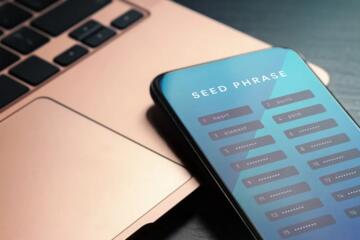
Yes, unless you have backup seed phrases or recovery keys. Wallets like MetaMask display a seed phrase during setup—store it offline. Losing these means permanent loss of access.
Are all cryptocurrencies the same?
No. Bitcoin focuses on value storage, Ethereum adds smart contracts, and others like Binance Coin or Cardano have different protocols and purposes. Their price volatility and use cases vary accordingly.
Is crypto investing taxable?
Yes. Most countries treat crypto holdings and transactions as taxable events. Gains, trades, and income from mining or staking must be reported. Use software like CoinTracker for accurate reporting.
Author's Insight
Starting with crypto asked me to rethink financial habits—security first, learning steadily. I ignored network fees for months, losing some capital in tiny trades. Investing small amounts early helped me test platforms without panic. Security failures on hot wallets were frustrating but educational. I advise keeping most funds offline and treating crypto like any high-risk investment: cautious, deliberate decisions matter.
Summary
Buying your first cryptocurrency requires focus on security, fees, and realistic investment sizing. Pick trusted exchanges, use cold wallets, and monitor transaction costs closely. Avoid impulsive buys on unverified tokens. Keep detailed records for taxes and prepare for volatility. Starting small and scaling works best to understand market dynamics and protect assets.