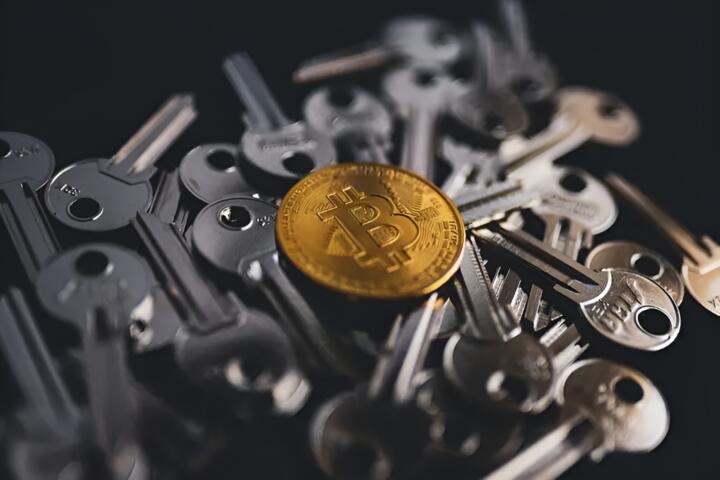
Wallets and Keys
A crypto wallet doesn’t keep your coins in a physical or even digital safe. Instead, it stores private keys, complex alphanumeric codes that unlock your blockchain assets. For instance, a Bitcoin wallet holds a private key that corresponds to Bitcoin addresses on the blockchain. Without this key, you cannot move or spend your coins.
The blockchain is the public ledger where all transactions happen. Wallets only manage access credentials, like keys to a safe deposit box. Blockchain.info reported over 30 million active Bitcoin wallets in 2023, yet none of those wallets actually hold coins themselves.
A wallet interacts with networks to broadcast transactions using your private keys, signing each move cryptographically.
Common Misconceptions
Many users mistakenly believe that losing a wallet means losing their coins. This isn't true if the private key is backed up elsewhere. In practice, wallet apps simply serve as a tool to manage your keys. Some users assume coins are stored on the device, leading to panic when switching wallets.
Failing to secure private keys leads to total loss of funds. Wild examples like the 2013 Mt. Gox collapse showed wallets as targets because keys grant control—not coins physically inside the device.
Consider hardware wallets like Ledger or Trezor. They don’t hold coins themselves; instead, they provide cold storage for keys, isolating them from online threats. Losing access to your key means the blockchain effectively blocks any access to your coins forever.
Effective Wallet Practices
Create Strong Backups
Backup the seed phrase securely, offline preferably. This 12- or 24-word mnemonic, generated by the wallet, can restore all keys. Trustworthy recovery is more reliable than relying on software backups alone. My Ledger Nano S, version 1.6.1, requires this step during setup.
Use Hardware Wallets
Hardware wallets keep private keys isolated from internet-connected devices, reducing exposure to hacks. Use models like Ledger Nano X or Trezor Model T, which cover multiple cryptocurrencies and support PIN protection. They prevent malware from extracting keys unlike hot wallets.
Enable Multi-Factor Access Controls
Two-factor authentication (2FA) or multi-signature wallets require several keys or devices for transactions, limiting risk if one key is compromised. Services like BitGo provide multi-sig solutions, used by institutional players for added safety. This spreads control to multiple parties.
Separate Cold and Hot Wallets
Cold wallets store keys offline for long-term holdings. Hot wallets connect online for daily use. This division cuts down risk exposure. Keep smaller amounts in hot wallets for trading and day-to-day payments, while the bulk remains in cold storage.
Choose Wallet Software Carefully
Use open-source wallets reviewed by the community: Electrum, Wasabi, or MyEtherWallet offer transparency. Closed-source wallets may contain undisclosed vulnerabilities. Electrum has had security patches released promptly, which, frankly, most users ignore.
Regularly Update Wallet Firmware
Updates patch vulnerabilities in key storage and handling. Skipping updates can expose flaws that hackers target, as seen when Ledger patched Bluetooth issues in late 2020. Firmware updates improve cryptography and interface, reinforcing key protection.
Monitor Blockchain Activity
Use blockchain explorers like Etherscan or Blockchain.com to verify transactions linked to your keys. Tracking activity confirms whether keys have been misused without relying solely on wallet software alerts.
Practice Physical Security
Private keys or recovery phrases saved on paper or hardware devices must be stored in fireproof or waterproof environments. Avoid digital copies on cloud or email. Backups on paper wallets stored in a safe deposit box have worked for some users since 2014.
Wallet Use Examples
A fintech startup in 2022 lost $75,000 because an employee misplaced the recovery seed; the keys were unrecoverable. Switching to hardware wallets with multi-sig support stopped further losses. Another case involved a crypto art collector who recovered all assets after accidental software deletion, thanks to a securely stored 24-word seed phrase.
Key vs Coin Checklist
| Feature | Keys | Coins | Risk |
|---|---|---|---|
| Storage | Private device/hardware | On blockchain network | Key loss locks funds |
| Control | Exclusive to key holder | Public ledger access | Key theft = coin theft |
| Recovery | Seed phrase/backup needed | Immutable transactions | No recovery without key |
| Security | Protected by encryption | Transparent ledger | Human error risks |
Typical Pitfalls
Storing keys on cloud drives exposes them to hacks. One breach I tracked in 2021 showed thousands lost due to weak passwords and cloud leaks. Another common error involves sharing recovery phrases online, often in forums, inviting scammers. Users mix private and public keys or misunderstand wallet types, creating confusion that hackers exploit.
Some believe wallet providers store coins safely, neglecting personal key security. Hot wallets without two-factor measures suffer from phishing attacks regularly. The best defense includes carefully auditing where keys reside.
FAQ
Does my wallet hold actual coins?
No. Wallets store private keys granting access to coins on the blockchain.
Can I recover coins if I lose my wallet?
Only if you have the backup seed phrase or private keys elsewhere.
What happens if someone steals my keys?
They gain full control over your coins and can transfer them instantly.
Are hardware wallets safer than software wallets?
Hardware wallets store keys offline, reducing exposure to online attacks.
How can I verify a wallet’s legitimacy?
Check for open-source code, community reviews, and software updates availability.
Author's Insight
My years working with wallets taught me that users obsess over coin balances but overlook keys' security. Key management must be the priority—hardware wallets give peace of mind but only if backups exist. I’ve seen how a missing phrase erases fortunes. Understanding how a wallet handles keys simplifies crypto’s complexities. Protecting keys means protecting access, not some digital number floating around.
Summary
Wallets secure keys, not coins. Losing access to private keys equals losing assets. Prioritize hardware wallets, backup seed phrases offline, and separate funds between cold and hot wallets. Keep software updated and watch blockchain transactions on explorers. Handling keys with care safeguards your crypto more reliably than chasing coins themselves.