Digital Asset Management
The security of any cryptocurrency boils down to how the private key—a 256-bit number—is stored. If a key is stored on a device connected to the internet, it is a "hot" wallet. If it remains entirely offline, it is "cold." In practice, most seasoned investors use a hybrid approach, keeping 90% of their holdings in cold storage while maintaining 10% in hot wallets for liquidity.
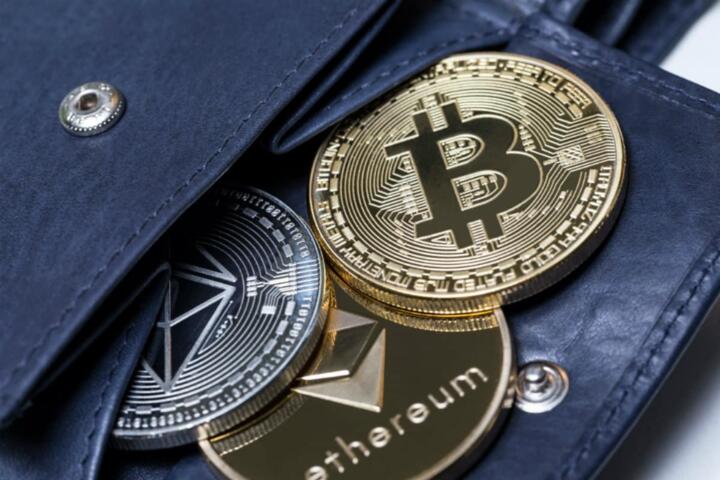
Consider the difference between a leather wallet in your pocket and a high-security vault in a bank. A hot wallet, like MetaMask or Phantom, allows for instant interaction with Decentralized Finance (DeFi) protocols and NFT marketplaces. Conversely, cold storage solutions like Ledger or Trezor require physical button presses to sign transactions, ensuring that even if your computer is riddled with malware, your funds remain untouchable.
The scale of the problem is massive. According to Chainalysis, 2024 saw over $1.1 billion in crypto stolen via hacks, with a significant portion resulting from "hot" private key compromises on centralized exchanges. Real-world data suggests that users utilizing hardware-based multi-signature setups reduce their risk of total loss by over 95% compared to those relying solely on browser-based extensions.
Storage Vulnerabilities
The most common failure point is not the technology itself, but the human interface. Users often store their 12 or 24-word recovery seeds in digital formats—screenshots, Evernote, or even password managers. This effectively turns "cold" security into "hot" vulnerability, as any cloud breach exposes the entire portfolio. This "lazy security" is the primary target for sophisticated drainer scripts.
Another pain point is the "blind signing" phenomenon. When interacting with dApps, users often approve permissions without realizing they are granting a smart contract the right to spend their entire balance. Without a hardware wallet that decodes these contracts into readable text on a physical screen, you are essentially signing a blank check to a potential scammer.
The consequences are irreversible. In the Ethereum ecosystem, the "Finality" of a transaction means there is no "undo" button or customer support to call. Once a transaction is broadcasted and confirmed on-chain, those assets are moved. For institutional-grade security, failing to separate your "spending" environment from your "savings" environment is a catastrophic oversight.
Advanced Security Tools
Implementing Air-Gapped Hardware Solutions
Air-gapping is the gold standard of cold storage. Devices like the Keystone or Foundation Passport do not use USB or Bluetooth; they communicate exclusively via QR codes. This ensures there is no physical or wireless data link between your private keys and your infected laptop. This method eliminates 100% of remote exploits that rely on USB driver vulnerabilities or Bluetooth interception.
The Power of Multi-Signature (Multisig) Vaults
For significant holdings, relying on a single hardware wallet is a single point of failure. Tools like Gnosis Safe (Safe) allow you to create a "2-of-3" or "3-of-5" setup. This means you might require approval from a Ledger, a Trezor, and a software-based key to move funds. Even if a thief steals one of your physical devices, they cannot drain your account without the other keys located in different geographic spots.
Using Passphrase Protection (The 25th Word)
Most BIP-39 wallets support a hidden feature: the passphrase. This is an extra word of your choosing that creates an entirely different set of accounts from the same 24-word seed. If someone forces you to unlock your wallet, you can show them the "dummy" account with a small balance, while your actual wealth remains hidden behind the passphrase-protected derivation path.
Leveraging MPC Technology for Teams
Multi-Party Computation (MPC) is the next evolution beyond standard multisig. Services like Fireblocks or Coinbase Custody use MPC to split a single private key into "shards" distributed across multiple servers. The key is never reconstructed in one place, even during transaction signing. This is how billion-dollar hedge funds manage assets without risking an internal "rogue employee" scenario.
Regular Security Audits with Revoke Tools
Security is not a "set it and forget it" task. Active users must use tools like Revoke.cash or Etherscan’s Token Approval tool every month. These services identify which smart contracts still have permission to spend your USDC or ETH. Removing old approvals prevents "dusting attacks" or exploits on legacy protocols from affecting your current balance.
Social Recovery and Dead Man's Switches
A major risk of cold storage is the owner's death or loss of memory. Protocols like Argent or Loopring offer "Social Recovery," where trusted friends or a secondary hardware wallet can vote to recover your account without needing a seed phrase. This balances the "Be Your Own Bank" ethos with the practical need for a safety net.
Physical Security of Backup Materials
Paper is fragile. It burns, rots, and fades. Professional-grade security involves punching your seed phrase into stainless steel plates like Cryptosteel or Billfodl. These are rated to survive house fires (up to 1200°C) and extreme corrosion. Storing these plates in a fireproof safe or a bank deposit box completes the cold storage loop.
Real-World Security
A mid-sized crypto venture fund managing $50 million recently overhauled its security. Originally, they used a single-signature hardware wallet held by the CTO. After a close call with a sophisticated spear-phishing attempt, they migrated to a Gnosis Safe 3-of-5 multisig. They distributed keys across three different countries and two legal entities. Result: They successfully mitigated a 2025 firmware exploit that affected single-sig users of their previous device brand, as the multi-vendor requirement blocked unauthorized transfers.
In another case, an individual investor lost $200,000 due to a compromised browser extension. They transitioned to a "Daily Driver" model. They now use a hot wallet for transactions under $500 and a dedicated, air-gapped device for anything larger. By implementing a 10% hot / 90% cold split and using a dedicated "clean" laptop for crypto activities, they have maintained zero security breaches over a three-year period despite active participation in high-risk DeFi farming.
Asset Protection
| Wallet Type | Security Level | Cost & Connection | Best Use Case |
|---|---|---|---|
| Hot Wallet | Minimal | Free / Online | Daily Trades |
| Hardware | High | $70+ / USB | Active Savings |
| Air-Gapped | Very High | $150+ / Offline | Long-term Hold |
| Multisig | Maximum | Fees / Distributed | Large Portfolios |
The most dangerous mistake is "The Clipboard Trap." Sophisticated malware can monitor your computer’s clipboard. When you copy a crypto address, the malware replaces it with the hacker’s address. If you don't double-check every character on your hardware wallet’s physical screen before confirming, you will send funds directly to the attacker. Always verify the first 6 and last 6 characters of any destination address.
Another error is using "Seed Recovery" services found on social media. No legitimate wallet provider will ever ask for your 24 words. If a website asks you to "synchronize your wallet" by entering your seed phrase, it is 100% a phishing attempt. Genuine hardware wallet firmware updates never require you to re-enter your seed phrase on a computer keyboard.
Lastly, many users ignore the "Search Engine Ad" trap. When searching for "MyEtherWallet" or "MetaMask," the first few results are often paid ads that lead to pixel-perfect clone sites. These sites are designed solely to capture your private keys. Always bookmark your financial portals or type the URL manually into the browser address bar.
FAQ
Can a hardware wallet be hacked?
While extremely difficult, physical "side-channel attacks" can theoretically extract keys if the hacker has the device and specialized lab equipment. However, for 99.9% of users, the risk is negligible compared to remote software hacks. Using a passphrase (25th word) renders physical extraction nearly impossible.
What happens if the wallet company goes out of business?
Your funds are not stored "in" the hardware wallet or with the company; they are on the blockchain. Most reputable wallets use the BIP-39 standard. This means you can take your 24-word recovery seed and import it into any other BIP-39 compatible wallet (like moving from Ledger to Trezor) to regain access to your funds.
Is a paper wallet still a good idea?
Generally, no. Paper wallets are prone to "change address" errors where users accidentally send their remaining balance to an inaccessible address during a partial spend. Modern hardware wallets handle this complexity automatically and are much safer for the average user.
Do I need a separate wallet for every coin?
No. Modern "multicurrency" wallets like Ledger Nano X or Trezor Safe 3 support thousands of different assets, including Bitcoin, Ethereum, Solana, and various tokens (ERC-20, SPL), all managed under a single recovery seed.
Should I store my seed phrase in a password manager?
It is not recommended. While password managers like 1Password or Bitwarden are secure, they are still software connected to the internet. If your master password is compromised via a keylogger, your crypto is gone. Physical, offline storage on steel is the only way to ensure true cold status.
Author’s Insight
In my decade of managing digital assets, I have seen more people lose money to their own "lost keys" than to actual hackers. My personal protocol is the 10/90 rule: I keep enough for weekly trading on a hot wallet but strictly isolate my core portfolio on an air-gapped device stored in a secure location. I cannot stress enough the importance of the 25th-word passphrase; it is the single most effective defense against both physical coercion and high-tech extraction. Treat your seed phrase like your DNA—never digitize it, never share it, and never underestimate the lengths someone will go to get it.
Summary
Securing cryptocurrency is an ongoing process of reducing your attack surface. While hot wallets offer the convenience necessary for the modern DeFi ecosystem, they should never be used as a primary storage solution for significant wealth. By transitioning to a cold storage model—specifically one utilizing air-gapped communication, steel backups, and multisig protocols—you shift the power from potential attackers back to yourself. The most actionable step you can take today is to audit your token approvals and move any asset you plan to hold for more than a month onto a dedicated hardware device.