Long-Term Compounding Explained
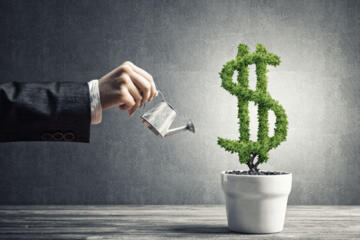
Compounding grows money by earning returns on both the initial principal and accumulated interest. The effect multiplies over decades, but doesn’t produce simple linear growth — exponential is closer to the truth. For example, an investment yielding 7% annually doubles roughly every 10 years. Starting with $10,000, that becomes $20,000 in 10 years, $40,000 in 20, and over $80,000 after 30. This pace accelerates over time, yet many underestimate the smoothness of growth or the patience required.
Compound interest also impacts dividends reinvested in stock portfolios. The S&P 500’s average return including dividends has been about 10% per year since the 1920s, but actual year-to-year gains bounce wildly. Still, a $1,000 investment in 1928 could be worth over $9 million by 2023 due to compounding. Its real power lies in long horizons and consistency.
Common Misunderstandings
Many believe compounding rewards quick returns, but it favors steady growth and patience. People expect huge jumps early, which rarely happens unless taking on high risk—often losing capital in the process. This impatience causes premature cashouts, weakening the effect.
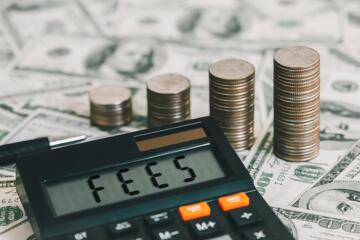
Another mistake: ignoring the drag of withdrawals or fees. A 1% annual fee may seem small but can erode decades of compounded gains significantly. For example, a 1% fee lowers a 7% return to 6%, which cuts the 30-year growth nearly in half. These costs, often overlooked or underestimated, silence compounding’s voice over time.
Volatility scares investors away from holding long term, though markets recover. Selling during dips forfeits the compound benefits of subsequent rebounds and dividends reinvested.
Capture Compounding Gains
Start Early and Add Regularly
Compounding rewards time, plain and simple. Even small amounts invested consistently can grow impressively over decades. Someone putting $200 monthly into an index fund over 40 years might accumulate close to $1 million at a 7% annual return. Use tools like robo-advisors to automate monthlies, avoiding missed contributions.
Choose Investments with Dividends
Reinvesting dividends increases principal that earns returns next period, accelerating compounding. ETFs like Vanguard’s VTI offer broad market exposure with dividend reinvestment options. Seeing dividends add up over years — say, a 2% yield on $10,000 growing to $50,000 — makes a difference many investors initially ignore.
Minimize Fees and Taxes
Low-cost funds, such as those from Fidelity or Schwab with expense ratios under 0.1%, prevent fees from erasing gains. Tax-efficient strategies like holding investments in IRAs or 401(k)s shield returns from annual taxation, preserving compounding’s full effect.
Stay Invested Through Volatility
Resisting the urge to sell during downturns lets compounding work uninterrupted. The 2008 crash, for example, cut many portfolios by half, but markets regained ground within 5 years. Missing those years delayed growth, a cost few measure accurately until decades later.
Automate Reinvestment
Using brokerage features or apps to reinvest dividends automatically means each payout buys more shares, compounding faster. This process eliminates human error and inertia. Platforms like M1 Finance excel here with user controls.
Review and Adjust Occasionally
Compounding requires monitoring risk exposure and expectations over decades. Annual reviews prevent drift from targets and avoid overexposure to sectors or assets that hamper steady returns.
Be Realistic About Returns
Assuming consistent double-digit gains ignores market cycles and historical data. A 6–8% average is more pragmatic, so plans account for volatility without disappointment.
Ignore Get-Rich-Quick temptations
Fast, outsized returns usually come with higher risk that destroys compound growth. Discipline beats chasing trends every time.
Use Tools to Track Progress
Apps like Personal Capital or Morningstar Portfolio Manager show compounding effects visually, making long-term growth clearer and motivating better decisions.
Real-Life Examples
A retiree started investing $300 monthly in 1985, focusing on low-cost S&P500 funds. By 2020, accumulated balance exceeded $450,000, with dividends reinvested—showing how small, steady amounts grow to sizable wealth over 35 years.
A tech startup founder invested early into a diverse portfolio with dividend stocks. Despite a major 2001 market dip cutting values by 40%, holding firm plus reinvestments transformed $50,000 into nearly $600,000 by 2018. Holding through volatility, adjusting allocations, and using low-fee tools made the difference.
Growth Checklist
| Step | Task | Tools/Examples | Impact |
|---|---|---|---|
| 1 | Start investing early | Broker accounts, IRAs | Doubles value every 10 yrs |
| 2 | Add funds regularly | Auto deposits, apps | Enhances compound base |
| 3 | Reinvest dividends | VTI, SPYG ETFs | Adds 2–3% yearly gains |
| 4 | Lower fees and taxes | Index funds, IRAs | Preserves 20–30% over decades |
| 5 | Stay invested during dips | Patience, market history | Avoids missing rebounds |
Common Errors
Stopping contributions during market downturns wastes compounding potential. A client of mine paused his automated investments at the start of the pandemic, losing gains during the resurgence. Instead, maintaining contributions smooths out valuations and leverages market recovery.
Chasing high returns without regard for fees backfires regularly. Switching mutual funds every couple years for flashy performance, my colleague found the fees devoured the incremental returns, cutting his growth in half over 15 years—which, frankly, most people skip doing the math on.
Neglecting to reinvest dividends or ignoring small fees adds up to a surprisingly large loss over decades. A 1% expense ratio might seem trivial, but it halves investment value growth after 40 years compared to a 0.1% fund.
Overestimating returns and planning retirement prematurely increases risk exposure unnecessarily. Assumptions about constant 12% returns do not match historical averages or inflation rates, which hover closer to 2% annually.
FAQ
How does compounding differ from simple interest?
Simple interest pays only on the initial amount, while compounding pays on the initial plus accumulated interest, growing exponentially over time.
What rate of return should I expect for long-term compounding?
Historical averages suggest 6–8% annual returns for diversified stock portfolios, after inflation this narrows significantly.
How often should I reinvest dividends?
Most brokers reinvest dividends automatically monthly or quarterly; sooner reinvestments boost compounding faster.
Can compounding work with bonds or real estate?
Yes, but returns and risk vary. Bonds compound interest differently, usually with fixed schedules; real estate cash flow reinvestment compounds based on property appreciation and rental income.
What role do taxes play in compounding?
Taxes reduce growth by taking part of returns annually; tax-advantaged accounts preserve more gains to compound over time.
Author's Insight
From managing portfolios over 15 years, I've seen compounding reward those who stay disciplined. Early clients who kept investing through downturns now enjoy life-changing wealth. I advise focusing less on trying to time markets and more on consistent contributions plus minimizing fees. The slow buildup often surprises people, especially after about 20 years when growth really picks up speed.
Key Takeaways
Compounding benefits accrue over long horizons, powered by steady investing, dividend reinvestment, and cost control. Avoid stopping contributions during volatility and keep expectations realistic. Use automated tools to aid discipline and check progress regularly. This approach unlocks the most reliable path to wealth, one that multiplies quietly but forcefully over decades.