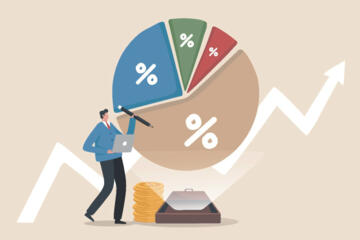
Cash in Your Portfolio
Cash means more than just money in a savings account—it includes liquid assets like money market funds and short-term Treasury bills. Suppose you have a $500,000 portfolio. Holding 5% in cash means $25,000 set aside and readily accessible. Typically, investors hold 2% to 10%, depending on risk tolerance and opportunities they expect.
Cash cushions you during market drops. For instance, in early 2020's market crash, investors with cash avoided forced selling. A Fidelity report showed that investors kept an average of 6% cash, giving them flexibility to buy cheaper assets later. Cash's stability contrasts sharply with stocks or bonds, which fluctuate daily.
Misconceptions & Risks
Too often, investors either stash too much cash or too little, both mistakes. Excess cash loses purchasing power to inflation—2% annual inflation means your cash shrinks by roughly that each year if idle. Holding zero cash means forced liquidation when markets dip sharply, often at the worst times.
Many think cash is wasted money; it's not. It’s about liquidity and optionality. One investor I coached held 40% cash for years, missing growth while alternatives yielded 7% annually. Opposite mistake: someone went all-in equities, faced a 30% drop, and sold low when frightened. Avoid freezes or fires—balance is key.
Practical Steps
Evaluate Your Time Horizon
Short-term needs require more cash. Retirees should have at least 1–2 years’ expenses in cash to avoid selling investments in a slump. Younger investors with decades ahead can hold less, maybe 3–5%. Vanguard research suggests lowering cash with longer horizons.
Set Cash Goals by Purpose
Split cash by goals: emergency fund, investment opportunities, planned expenses. Emergencies need 3–6 months’ living costs in liquid cash or equivalents like FDIC-insured accounts. Opportunity cash can be riskier, held in money market funds to earn some yield — recent Schwab yields hover around 4.5%, far better than banks last year.
Use Laddered Short-Term Bonds
Cash can earn a bit more than pure deposits through a ladder of Treasury bills or short-term corporate bonds maturing each few months. You keep liquidity and slightly better returns around 5%. Fidelity’s Short-Term Bond Fund (FSHBX) is a popular choice for this approach.
Review and Adjust Quarterly
Cash needs change with market and life events. Checking quarterly keeps your allocation relevant. I use a simple spreadsheet, updated on the 15th each quarter, so I don’t miss shifts. When markets are cheap, I add cash for buying; when expensive, I hold more to avoid risk.
Don’t Chase High Yields Alone
Some chase high cash yields in riskier vehicles like junk bonds or new fintech accounts promising 8%. Often, these come with volatility or low liquidity. Stick to safe, liquid options for your core cash portion to avoid surprises during withdrawal.
Leverage Professional Tools
Several online platforms help track cash balances and suggest moves. Personal Capital and Morningstar offer free portfolio snapshots including cash percentages. Some robo-advisors automatically adjust cash buffers based on AI-driven market signals — handy but not always perfect.
Control Behavioral Risks
Cash buffers reduce emotional sell-offs when stocks plunge. Psychologically, knowing you won’t run out of money calms nerves. I once saw a client sell off during a dip in 2020, ignoring months of gains; later, regrets were deep. Maintaining a cash reserve prevents such damage.
Use Tax-Advantaged Accounts
When possible, hold cash in tax-advantaged accounts to protect yields. Money market funds in IRAs avoid taxable distributions that can erode returns. For taxable accounts, municipal money market funds may help if income is exempt from federal taxes.
Tailor for Inflation
Inflation varies, so adjust cash levels. After CPI hit 9.1% in June 2022, pure cash looked ugly. Using short TIPS funds like iShares TIP ETF offers some inflation hedge, though with slight price swings. Combine cash and TIPS thoughtfully.
Real-Life Examples
A mid-sized tech firm, with $20M in assets, held just 1% cash pre-pandemic. When COVID hit, they scrambled to sell investments at a 25% loss for payroll, hurting morale and credit terms. Post-crisis, they adopted a 6% cash strategy in money market accounts earning 4%. By 2023, this buffer saved $500K in unnecessary losses.
On the individual level, a retiree in California held 30% cash during 2018–19 for planned purchases but stalled market gains. After financial coaching, she cut cash to 10%, redirecting $80K from savings accounts to dividend ETFs paying 3.5%, boosting annual income by $2,800 without adding risk.
Allocation Checklist
| Factor | Low Risk | Medium Risk | High Risk |
|---|---|---|---|
| Cash % | 10%-15% | 5%-10% | 2%-5% |
| Time Horizon | Short (1-3 yrs) | Medium (3-10 yrs) | Long (10+ yrs) |
| Liquidity Needed | High | Moderate | Low |
| Typical Vehicles | Savings, MMFs | Short Bonds, MMFs | Minimal cash |
Allocation Mistakes
Many investors ignore cash’s role during portfolio rebalancing, letting it drift far from targets. That breeds risk and missed opportunities. Avoid timing market extremes by planning cash top-ups in calm phases. The worst: panic-selling assets during dips with no cash cushion.
Confusing convenience with yield wastes money. For example, leaving extra cash in checking accounts paying near 0% instead of high-yield online banks — which often pay 4%+ now — diminishes returns unnecessarily. Simple half-hour switch saves hundreds annually.
Others hoard cash for emergencies but don't earmark it separately from speculative cash for opportunities. Mix-ups cause bad timing decisions. Separate accounts help — not glamorous, but practical.
FAQ
How much cash should retirees hold?
Between 12% and 24% of their portfolio, enough to cover 1–2 years of expenses, preventing forced asset sales during downturns.
Does cash earn any yield today?
Yes, money market funds and high-yield savings accounts often provide 4% or more annual yield, outperforming many checking accounts.
Can cash allocation change with market conditions?
Yes, adjusting cash position quarterly helps capitalize on market lows and avoid overstretch during highs. But don't chase quick moves.
Are money market funds safe?
Mostly yes; they invest in high-quality, short-term debt and are regulated, though not FDIC guaranteed. Use known fund families like Vanguard or Fidelity.
Should I hold cash in taxable or tax-advantaged accounts?
Preferably tax-advantaged for tax sheltering, but keep liquidity needs in taxable accounts for quick access.
Author's Insight
In over 15 years of portfolio advising, I’ve noticed cash gets underappreciated. Investors either forget their cash ratio or hold too much out of fear, which slows growth. I recommend revisiting your cash every quarter, aligning it with life changes or market shifts. Liquidity saved one client $250,000 last bear market, because they didn’t have to sell stocks in a pinch.
Summary
Cash in portfolios balances between safety and opportunity cost. Optimal levels depend on time horizon, risk appetite, and upcoming expenses. Keep a cash cushion for emergencies and maintain flexibility for buys, but avoid piling up too much idle money. Use short-term bonds or money market funds for better yields. Regularly review allocations to stay aligned with goals and market trends.