Credit Score Impact Basics
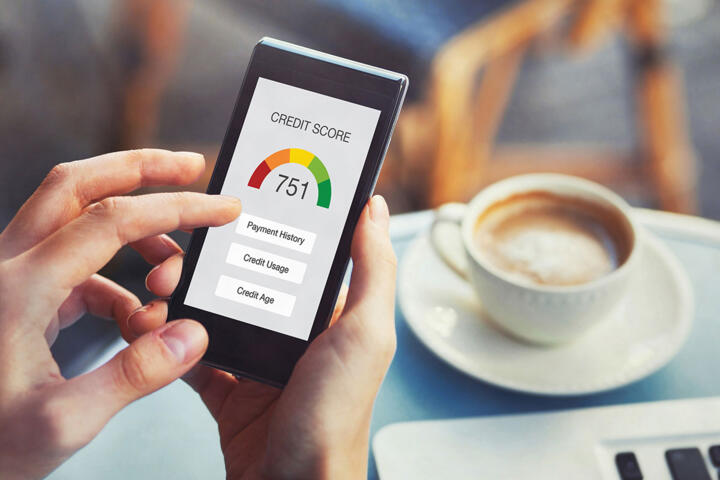
Credit scores serve as a numerical snapshot of an individual's creditworthiness. Ranging typically from 300 to 850, this number summarizes past borrowing and repayment behaviors. For example, a 750 score often secures lower interest rates compared to a 620 score, which may trigger higher charges or require collateral. Lenders use credit scores to estimate the risk involved when lending money.
FICO and VantageScore remain the most recognized score models. Their calculations incorporate payment history, credit utilization, length of credit history, new credit activity, and credit mix. According to Experian, 90% of top lenders rely on FICO scores when deciding loan offers.
For instance, a borrower with a FICO score above 720 may qualify for a 30-year mortgage at around 6.0% APR, while those below 640 could see rates exceeding 9%. Real effects manifest in monthly payments and total loan costs. The score does not just unlock loans — it defines loan quality.
Common Misunderstandings
Many borrowers falsely believe that a credit score is the single factor for loan approval. In reality, lenders also evaluate income, debt-to-income ratio, and employment stability. Yet, the score often acts as the gatekeeper. A low score can preclude access entirely, regardless of steady income.
Misjudging the credit score's role leads to applying for loans one cannot realistically afford. This causes repeated rejections, dropping scores further, and in extreme cases, forcing reliance on costly alternatives like payday loans. The resulting spiral compounds financial strain.
Take the case of a first-time homebuyer who applied for multiple loan quotes without checking credit standing, unaware that inquiries reduced their score temporarily. This attempt to find the best rate backfired. The consequences: higher rates and delayed approval, as loan officers requested credit explanations multiple times.
The impact extends beyond interest rates. Credit score influences down payment expectations and even prepayment penalties. Many face surprises when the final loan terms require much more cash upfront than anticipated.
Shape Your Loan Offer
Check your score frequently
Get reports from at least two credit bureaus—Equifax and TransUnion. AnnualCreditReport.com provides free yearly reports required by law. Monitoring identifies errors or fraudulent activity early. Fixing a single incorrect late payment mark often raises scores 20-40 points.
Pay down high balances
Keep credit utilization below 30%. Lower utilization signals responsible borrowing. For example, borrowing $3,000 on a $10,000 credit line is a warning flag, but $2,500 or less looks healthier. Use tools like Credit Karma to track utilization live.
Keep old accounts open
Length of credit history weighs about 15% in FICO scoring. Closing longstanding accounts reduces average age. Even unused accounts improve your profile, so don’t rush to cancel old credit lines thinking it simplifies finances.
Limit new credit inquiries
Each hard inquiry drops scores by roughly 5 points for about a year. When shopping loans, cluster applications within 14 to 45 days to minimize impact, depending on the scoring model. Posting loan applications over months reduces your score steadily.
Address delinquencies proactively
Contact creditors to negotiate missed payments before they hit credit reports. Some lenders agree to 'paid as agreed' notations that don't damage scores. Services like Lexington Law offer dispute assistance, though fees apply and results vary.
Choose loan products wisely
Adjust loan options to your credit profile. Subprime or secured loans serve those with poor credit. For example, a secured auto loan might require a down payment of 20%, offsetting risk against lenders. Comparing offers on LendingTree or Bankrate helps find best matches.
Use credit-builder loans
Credit-builder loans let borrowers build positive payment history by depositing funds into a locked account. Payments report to credit bureaus. Companies like Self Finance report after each payment, yielding score improvements of 30 to 50 points over a year.
Maintain documented income
Lenders require evidence of stable income to approve loan amounts. Keeping organized pay stubs, tax returns, or bank statements reduces back-and-forth. The more precise you document your earnings, the smoother underwriting proceeds, reducing approval delays.
Consider co-signers carefully
A co-signer with a higher credit score can drastically improve loan offers. However, this person shares liability, which can lead to relationship stress if missed payments occur. Ensure you agree on terms and keep communication open.
Real Outcomes Shown
A mid-sized retailer once struggled with a 590 average credit score blocking expansion credit lines. After aggressively reducing balances from $100,000 to $40,000 and correcting three erroneous reports, scores lifted above 670. The improved profile secured a $150,000 loan at 7.5% instead of 13%, saving $6,750 annually in interest.
Conversely, a freelance designer with a 720 score ignored credit report monitoring during rapid project growth. Accidental late payments logged; score dipped to 680. Loan approval dropped from $70,000 to $40,000 with a 2% higher interest rate, directly impacting cash flow during a critical growth phase.
Loan Offer Checklist
| Factor | Best Score | Effect on Loan | Target Range |
|---|---|---|---|
| Credit Score | 850 | Lower rates | 720+ |
| Utilization | 0% | Best risk profile | Below 30% |
| Payment History | No lateness | Loan approved | On-time |
| Inquiries | 0 recent | Preserved score | Clustered 14 days |
| Length History | 10+ years | Higher approval | 7+ years |
Errors to avoid
Applying for multiple loans over several months can decrease your score and lender confidence. Organize applications tightly and only when your score meets lender minimums. Avoid closing credit cards abruptly; instead, leave accounts open and idle.
Don’t ignore small errors on your credit report. Even a single mistaken late payment can cost 30 points. Act by disputing immediately. Careless payment skipping also destroys trust faster than many anticipate.
Counting on co-signers without crystal-clear agreements leads to strained relations. Next, is borrowing close to maximum credit limits; this inflates your debt ratio and signals financial distress. Lastly, failing to prepare income documents before loan application invites delays and reduces leverage.
FAQ
How does credit score affect my loan rate?
Lenders charge higher interest rates if your score signals higher risk. Each 20-point drop below 700 can increase a mortgage rate by about 0.25%.
Can I improve my credit score quickly?
Minor improvements, like fixing errors or lowering utilization, can help in weeks. But major score increases usually take months.
Do all loans check the same score?
No. Mortgages commonly use FICO score versions 8 or 9, while auto loans or credit cards may use different versions or even VantageScore.
Are soft inquiries important for loans?
Soft inquiries don’t impact scores or loan offers. Hard inquiries appear when lenders check your credit for approval.
What role does income play alongside credit scores?
Income confirms repayment ability; high income with low credit score may still limit loan offers or require more collateral.
Author's Insight
In over a decade advising clients on loan applications, I’ve seen credit scores dictate outcomes far more than borrowers realize. Small score differences reflect thousands in extra cost over a loan lifetime. Tools like Credit Sesame and regularly pulling credit reports have saved clients months of delays and higher rates, which, frankly, most people skip. Preparing documents and timing credit checks also untangle surprises lenders never mention upfront.
Summary
Credit scores strongly influence loan offers by shaping interest rates, approval, and terms. Tracking your score regularly, fixing errors, limiting applications, and managing debt reduce costs noticeably. Planning ahead avoids pitfalls like denied loans or expensive alternatives. Use multiple sources to verify your score and prepare income proof early. Start small improvements now — loan savings add up faster than expected.